
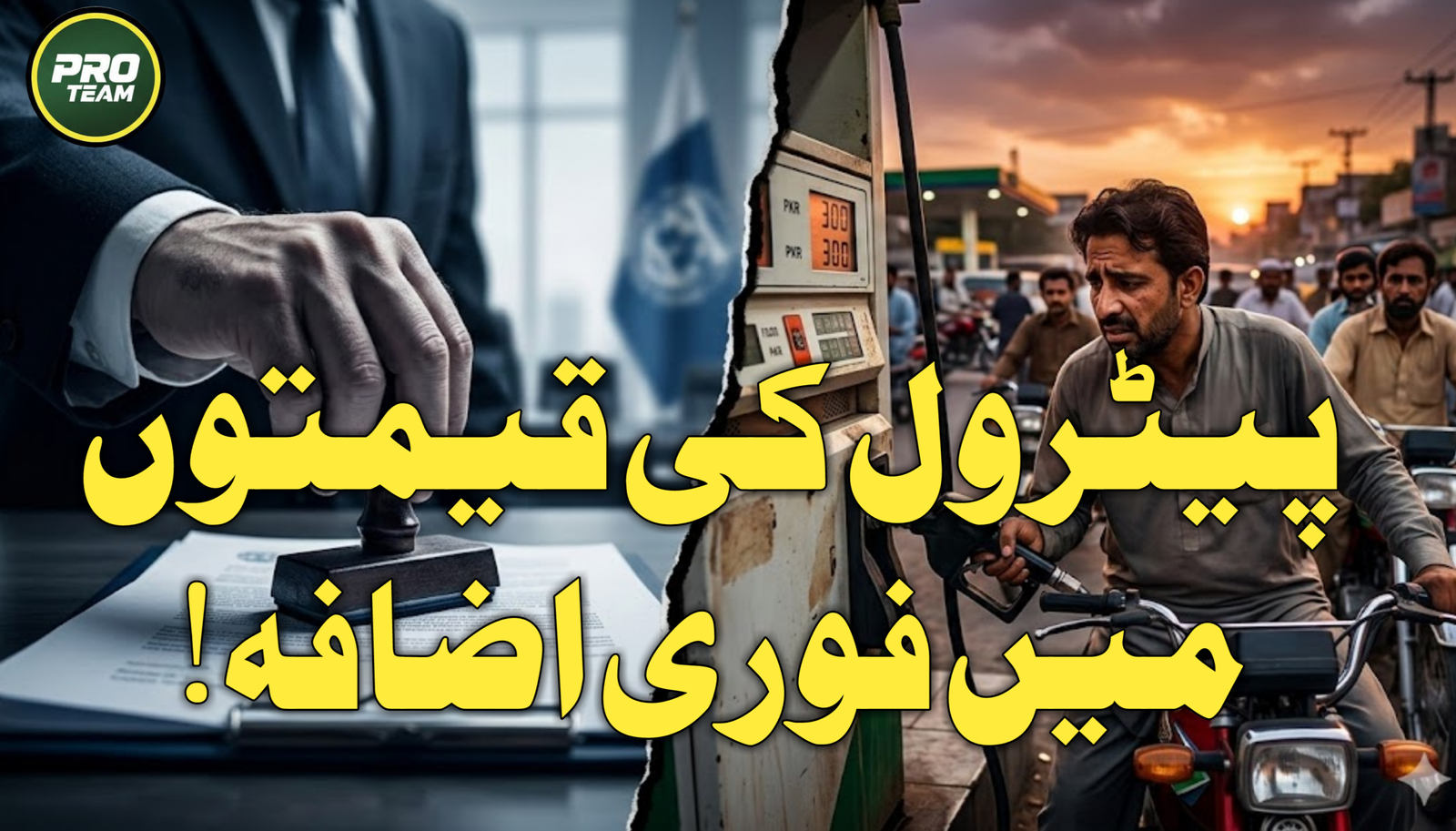
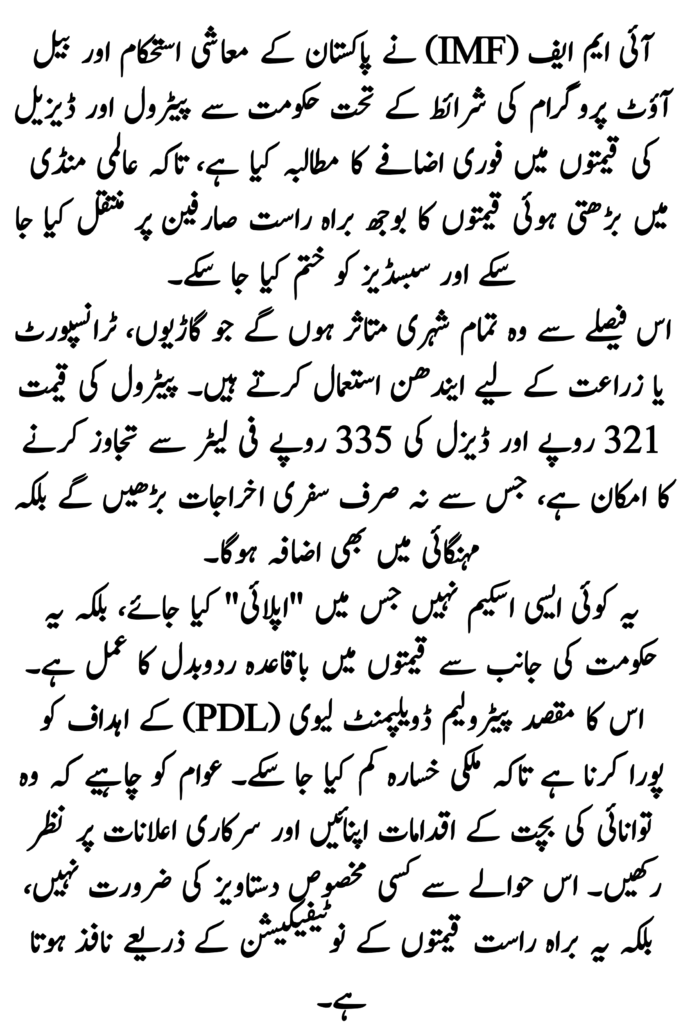
Pakistan is once again facing pressure from the International Monetary Fund (IMF) regarding petroleum prices. According to recent reports, the IMF has asked the government to immediately increase petroleum products prices as part of ongoing economic reforms. This demand is linked to Pakistan’s financial support program with the IMF, which requires the government to remove subsidies and adjust fuel prices according to international market rates. The news about the IMF demand to increase petroleum prices has raised concerns among the public because fuel prices directly affect transportation, food, and daily living costs.
For many families across Pakistan, any increase in petrol or diesel prices means higher expenses in almost every part of life. From bus fares to vegetable prices, everything tends to go up when fuel becomes expensive. Because of this, people are closely watching how the government responds to the IMF’s request.
Read More: Death Certificate Application Process
Table of Contents

Why IMF Is Asking Increase in Petrol Prices in Pakistan
The IMF believes that Pakistan should follow a market-based fuel pricing system. This means the government should avoid giving large subsidies on petroleum products. According to economic experts, subsidies increase the country’s financial burden and create problems for the national budget.
Pakistan is currently working under an IMF financial program to stabilize the economy. Under this agreement, the government has promised to implement several reforms, including adjustments in energy and fuel pricing.

Key Reasons Behind the IMF Demand
| Reason | Explanation |
| Remove Fuel Subsidies | IMF wants Pakistan to reduce subsidies that put pressure on the national budget. |
| Increase Government Revenue | Higher petroleum prices mean more tax collection for the government. |
| Economic Stability | The IMF believes market-based pricing helps stabilize the economy. |
| Loan Program Conditions | Price adjustments are part of IMF financial support conditions. |
These steps are often difficult for governments because they can lead to public dissatisfaction. However, international lenders argue that such reforms are necessary for long-term economic stability.
Read More: Asaan Karobar Finance Application Status
Possible Impact on People and Businesses
If the government increases petroleum prices as requested by the IMF, it will affect several sectors of the economy. Petrol and diesel are essential for transportation, agriculture, and industry.
Small businesses, delivery services, and transport workers are usually the first to feel the pressure. When fuel costs rise, they often increase their service charges to manage expenses.
Petrol Prices Areas That May Be Affected
| Sector | Possible Impact |
| Transportation | Bus, taxi, and ride fares may increase. |
| Food Prices | Higher transport cost can raise vegetable and grocery prices. |
| Agriculture | Diesel price increases may raise farming costs. |
| Small Businesses | Delivery and logistics expenses may rise. |
Because of these factors, many citizens are worried about the possible rise in inflation.
Read More: How to Apply for Birth Certificate
Government’s Possible Response
Officials from the Government of Pakistan have not yet made a final announcement regarding new petroleum prices. However, economic analysts say the government may introduce a gradual price increase instead of a sudden jump to reduce the burden on the public.
Sometimes the government also tries to balance such decisions by offering targeted relief programs for low-income families. These programs help reduce the impact of rising fuel and energy prices.
At the same time, policymakers are trying to stabilize the national economy, control inflation, and maintain international financial support.
Final Thoughts
The IMF demand to increase petroleum prices has once again started an important debate in Pakistan. While international financial institutions focus on economic stability and budget discipline, ordinary citizens are worried about rising living costs.
The coming weeks will be important as the government decides how to manage fuel pricing while protecting the public from sudden economic pressure. People across Pakistan are waiting to see whether petroleum prices will increase immediately or gradually.
Read More: Verification Process for Ehsaas Ramazan Qist
FAQs
1. Why is the IMF asking Pakistan to increase petroleum prices?
The IMF wants Pakistan to reduce fuel subsidies and follow a market-based pricing system to improve economic stability.
2. Will petrol prices increase immediately in Pakistan?
There is no final confirmation yet. The government may decide to increase prices gradually.
3. How will higher petroleum prices affect the public?
Fuel price increases usually lead to higher transport fares, rising food prices, and increased business costs.
4. Is this related to Pakistan’s IMF loan program?
Yes, fuel price reforms are often included as part of IMF financial support agreements.
5. Can the government stop the price increase?
The government can delay or adjust the increase, but IMF conditions may require eventual changes in fuel pricing.
Latest Updates
 Gold And Silver Rates In Pakistan Today – Updated 2026
 Ramzan Negahban Card Who Is Eligible and How Families Can Get Financial Help This Ramadan In Update 2026
 8171 Web Portal Again Currently in Working – Check Your BISP Eligibility Online Now
 Who Is Eligible for 14500 BISP New Payment? Complete Guide for Beneficiaries in 2026
 Urgent Update! Will Ramadan Have 29 or 30 Fasts? Meteorological Department Issues Final Prediction 2026
 Breaking News 2026: 8558 Ramzan Package Apply Online – Check Eligibility & Registration Guide